


By Claire Bacon, ACN, CNC
Here’s topic that’s relevant to the holiday season – sulfite sensitivity! Whether you’ve heard of them or not, if you feel poorly after having too much fun at holiday parties… sulfites could be the hammer behind your headache.
Sulfites are in many of the foods and drinks we love the most. They are chemical preservatives with antifungal and antibacterial properties — the reason why dried fruit and veggies look fresh on store shelves. The most common form is sulfur dioxide, a gas that binds to produce and turns into sulfite once it’s absorbed. You’ll also see sulfites listed on labels as sodium sulfite, sodium or potassium bisulfite, or sodium or potassium metabisulfite. All of these are used to stop foods from browning or spoiling too soon.

The Body’s Protective Mechanism
Gratefully, your body has a built-in mechanism to deal with these compounds, thanks to an enzyme called “sulfite oxidase”. Most of it comes from your liver, kidneys, and heart, helping to neutralize excess sulfites before they can do harm. The problem is that we often don’t make enough sulfite oxidase to deal with a high amount of dietary sulfites. And the brain, eyes, and spleen have very little protection, making them extra sensitive to sulfite buildup. This is one reason why you might feel foggy and bleary-eyed after a night out drinking.
People who don’t tolerate sulfites well often are lacking sulfite oxidase — and this enzyme activity can drop further with age, chronic illness, or high stress. Those with asthma are especially vulnerable; about 3–5% have sulfite sensitivity that can trigger wheezing, headaches, or severe allergic reactions. In rare cases, sulfite allergies can cause anaphylaxis, a life-threatening reaction.
So, while sulfites might help keep foods shelf-stable in the store, they’re not always kind to your body. This becomes clear especially if your detox pathways are not working well.

Foods High in Sulfites
As we head into “charcuterie board season” we should be aware of the potential for sulfites in our food, as well as our wine. Most conventional deli meats (especially those that are pre-sliced and packaged) are notoriously high in preservatives. That can include sulfites, though nitrates and nitrites are even more common.
- Bologna, salami, pepperoni, and other cured meats with added sugar or vinegar
- Ham (especially honey-baked or glazed)
- Turkey or chicken slices that are “smoked,” “flavored,” or “pre-marinated”
- Roast beef with “gravy” or “au jus” flavor packets
And more…
| Highest Sulfite Levels | Moderately High Levels |
| Spinach (lower in organic) | All jams and jellies, corn syrup |
| Dried fruit (cheap apricots, apples, peaches, pineapple) | Guacamole |
| Lemon and lime juice concentrate (unless the label says not added) | Horseradish, pickles, relish, and olives |
| Shredded coconut | Shrimp, scallops, crab and lobster |
| U.S. Wine (white, rose, and especially red wine) | Fermented foods like processed cheese |
| Some beer (like fruity beer or cider beer) | Gravy and sauce mixes |
| Dehydrated potatoes | Soy protein |

Health Impacts of Sulfite Sensitivity
Sulfites can trigger a wide range of reactions — from mild to severe. For some people, they may cause headaches, dizziness, nausea, flushing, stomach cramps, or diarrhea. Others might notice wheezing, shortness of breath, chest tightness, or hives after eating sulfite-containing foods. In rare cases, sulfite exposure can even lead to anaphylactic shock.
To understand this sensitivity, researchers use animals in which the sulfite oxidase enzyme is intentionally suppressed. These studies reveal that excess sulfites can disrupt the visual and memory centers of the brain. What happens is that free radicals and oxidative stress occurs in the hippocampus (which supports learning and memory) and also in the retina (responsible for vision).
In essence, this suggests that too many sulfites could interfere with memory, learning, and eyesight — and may even contribute to neurodegenerative or eye diseases such as glaucoma and macular degeneration. It’s the main reason that we should learn from our hangovers – and not repeat them!
Even worse, sulfites appear to weaken key antioxidant defenses in the brain. When that happens, the body becomes more vulnerable to other harmful compounds, including MSG, heavy metals, and environmental toxins.

Glutathione Deficiency Worsens Sulfite Sensitivity
When our “master antioxidant” glutathione is depleted, sulfite becomes much more toxic and damaging – especially to the brain. In research, sulfites are shown to suppress a key enzyme called glutamate dehydrogenase, which supports brain energy production. Glutamate dehydrogenase also protects against excitotoxicity, a process where nerve cells become overstimulated and damaged. When this enzyme is weakened, brain cells become more and more vulnerable to injury and fatigue.
That essentially means that winding down with a glass of wine each night is counterproductive to having an energetic and productive work week!
There’s also research linking sulfite exposure to conditions like Parkinson’s disease. People with Parkinson’s already have high levels of damaging free radicals in their brains. In addition, individuals with Parkinson’s tend to have low levels of glutathione. Without enough glutathione, the brain loses much of its protection against toxins like sulfites — potentially worsening symptoms or accelerating damage.
For anyone dealing with neurodegenerative conditions, it’s wise to avoid foods and drinks high in sulfites whenever possible. With poor cognition, sulfite sensitivity really is an Achilles heel. The good news is that certain nutrients and antioxidants can help support detoxification and protect brain cells from oxidative stress.

Helpful Supplements for Sulfite Sensitivity
A recent study found that R-Lipoic Acid was protective in a dose of 200 mg three times a day with meals. N-Acetyl-Cysteine (NAC) greatly increases cell glutathione levels and can be quite protective. R-Lipoic Acid and Acetyl-L-Carnitine both increase brain cell energy and glutathione levels. They also bind to excess iron – possibly helpful for some people.
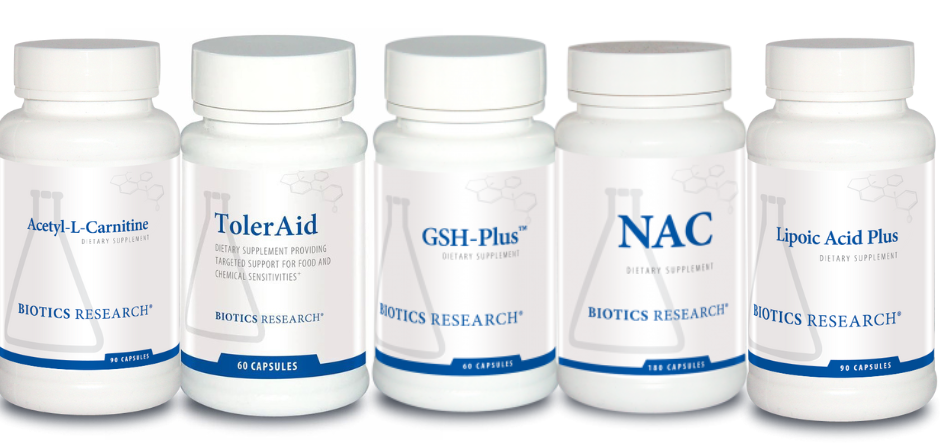
From our online store, we suggest using one or more of the following supplements to reduce your sulfite sensitivity and increase glutathione:
- TolerAid is a blend of certain B vitamins, molybdenum, and liver detoxifying factors to help with chemical sensitivity, including sulfites. You can read about the design of this product here. Note that ScentArest and TolerAid are the same product, just renamed.
- N-Acetyl-Cysteine or GSH Plus – both of these products support natural glutathione production, which involves the amino acids glycine, glutamine, and cysteine. N-Acetyl Cysteine provides just one of these essentials in a high dose, whereas GSH-Plus provides a blend of NAC, glycine, and glutathione in combination.
- Acetyl L-Carnitine is one of the best amino acids for brain health. It has potential for enhancing brain function, preventing muscle damage, regulating blood sugar and increasing endurance.
- Lipoic Acid Plus provides lipoic acid (ALA), which is involved in converting glucose into adenosine triphosphate (ATP) for energy. It is helpful for releasing stored glycogen from a fatty liver, and for sugar handling issues.
- We also love Tri Fortify from Researched Nutritionals. It’s a liquid liposomal glutathione – effective for anyone and convenient if you have trouble with pills! Available in office.
A good start would be to choose one or two of these to start working on your sulfite sensitivity. Consider having these on hand before your holiday parties begin!
Non-Alcoholic and Sulfite-Free Choices
Are you looking for sulfite-free, non-alcoholic, “functional” drinks that still feel festive but don’t leave you foggy the next day? Well, search no more. We have a few favorites for you…
- Peak Cocktails
- Moment – available at Sprouts
- Hiyo – available at Whole Foods and Sprouts
- Recess
- Kin Euphorics
- Curious Elixers
- De Soi – available at Sprouts
These are all good choices that are relatively low in sugar. Their ingredients include botanicals, adaptogens, and mood-supportive herbs rather than preservatives or sulfites.