


By Claire Bacon, ACN, CNC
If you have any interest in living a long and healthy life, looking younger than you really are, and having a healthy brain and heart, you’ll want to start learning about oxidative stress. It’s a technical term for a common concept we all know as aging. Consider this… If you think about a fresh apple, when you first cut into it, the flesh is a clean, bright white. But a couple hours later, the exposed surface has oxidized, or aged, into a darker brown.
This is a natural process that happens when cut fruit is exposed to oxygen, and similarly, when our internal cells are exposed to certain chemical substances.
Very simply put, as we get older, our metabolic processes slow down and get weaker. We start accumulating toxins more readily, and this impacts our cells in many ways. For all of us, this causes changes in our tissue integrity, protective barriers, and appearance as we get older. But for some people, the impact of out-of-control oxidative stress can have dire health consequences to the vital organs.
What is Oxidative Stress?
Oxidative stress refers to an imbalance between the production of reactive oxygen species (ROS) and the body’s ability to neutralize them. ROS are generated naturally during metabolism, but they can increase in response to environmental exposures, inflammation, smoking, radiation, and certain toxins.
Excessive oxidative stress can damage our DNA, proteins, lipids, and cellular structures. It can be a driving factor in many serious conditions, including cardiovascular disease, type 2 diabetes, neuro-degenerative disorders (Alzheimer’s and Parkinson’s), chronic kidney disease, lung disease, and cancer.

What Can We Do About Oxidative Stress?
The most effective way to keep oxidative stress under control is through continuous diet and lifestyle measures. All of these things generally maintain lower oxidative stress and better health outcomes:
- Regular physical activity (but not too much),
- maintaining a healthy weight (not yo-yo dieting),
- avoiding commercial tobacco products,
- limiting alcohol,
- maintaining adequate and consistent sleep,
- supporting detoxification mechanisms, and
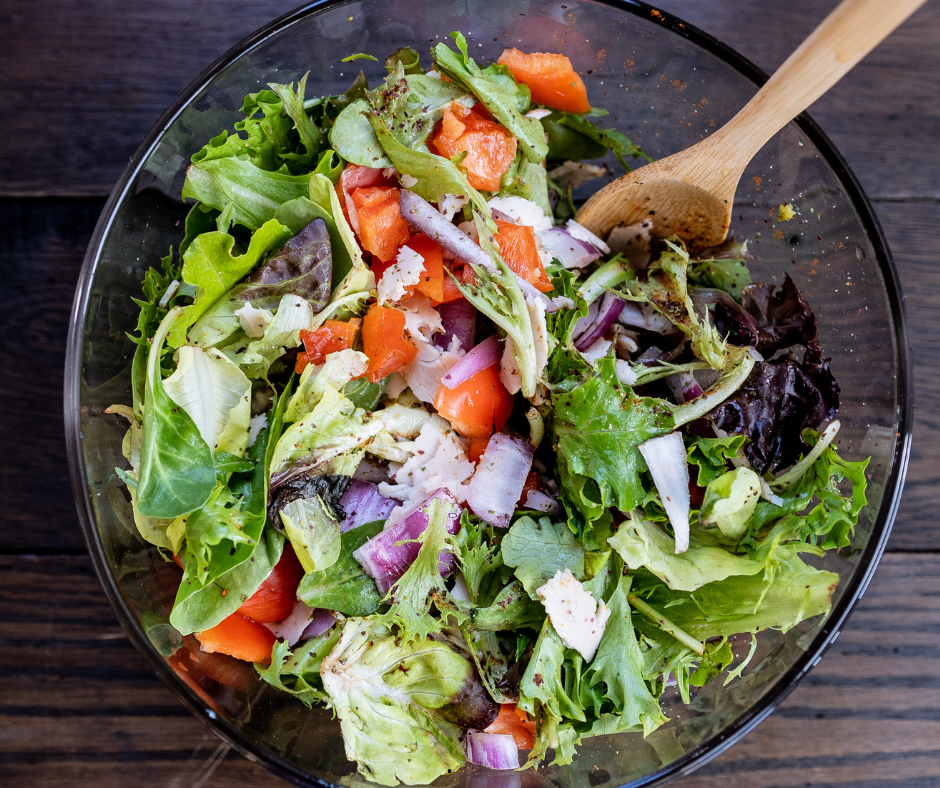
- consuming a diet rich in organically grown fruits, vegetables, legumes, and nuts, like Mediterranean, Paleo, or Whole 30).
Generally, these are the things that healthy people do, that usually work well. The goal is a diet and lifestyle that provides anti-inflammatory compounds that lay the foundation of good health.
On top of that, we can also plan to go through a parasite cleanse once or twice a year. Why? Because intestinal parasites can cause oxidative stress. Yes, that’s right! Parasitic infections can lead to a variety of health complications in the host… because they induce Reactive Oxygen Species (ROS). The effects of high ROS include: anemia, tissue damage, leaky gut, acne, and impairment of the immune system.
In addition, we also want to monitor and iron and ferritin levels closely – especially for men! Because high ferritin and high iron drive oxidative stress when excess “free” iron reacts with hydrogen peroxide in the body. This produces toxic reactive oxygen species, which damage DNA, proteins, and cell membranes. The effects of this are: accelerated organ damage, inflammatory joint issues, and premature aging.
We often recommend that men donate blood on a regular basis, to keep the body replenishing fresh blood and to keep iron levels down.
But obviously, it’s not that easy to find one simple cause of our oxidative stress. And the best of us are often hit by serious diagnoses. Let’s explore some hidden dangers we may be exposed to on a daily basis at home and work…
Potential Risk Factors: Environmental Exposures at Home and Work
It’s true, we live in a toxic world. Everything from air pollution to tap water to the receipts at the grocery store could affect our health. There really is no end to the environmental exposures that can influence our oxidative stress. But when we know better, we can do better!
Radon
Radon is a radioactive gas that can accumulate indoors, driven by pressure differentials in the home versus what seeps out of the ground. It is a well-established cause of lung cancer. Indoor radon levels vary with weather conditions, increasing dramatically right after a rain.
When the outdoor ground is wet, less radon can exit into the atmosphere around the perimeter of a home. But the dry area under the building footprint still can. This is why homes with a basement or crawl space can have higher risk. Also, when you open the windows, this can lower pressure inside the home. Gas travels from areas of higher pressure to lower. It can easily enter through the building foundations and walls and cross through the drywall, where it stays until the pressure differential naturally shifts again.
Testing the home over a long period of time is the only reliable way to determine risk. Dr. Bob and I have an Airthings View Plus air quality monitor, which we have been watching for almost two years. It is unnerving to see when radon goes up after a rain, but reassuring to see that the average concentration long-term is well within the normal range.

Ionizing radiation
Ionizing radiation from medical imaging can generate oxidative damage, although the benefits of medically necessary imaging generally outweigh the risks. X-rays, CT scans, PET scans, fluoroscopy, and nuclear medicine studies all induce some ionizing radiation. Mammography does, whereas ultrasound, thermography, and QT imaging do not. MRI scans do not.
In our view, unnecessary repeat imaging should be avoided. You don’t need to induce extra oxidative stress just to see if you are well. Reserve these scans for times you really might need to investigate a problem.

Pesticides and Herbicides
Pesticides are used to control roaches, ants, and fleas, and herbicides control weeds in our gardens and food crops. Both can present a toxic environmental challenge. Think of what you’re spraying at home, and what you’re exposed to on the golf course? The chemical classes such as pyrethroids, organophosphates, carbamates, neonicotinoids, and insect growth regulators can be problematic. Studies have found increased reactive oxygen species (ROS), lipid peroxidation, mitochondrial dysfunction, and antioxidant enzyme dysfunctions after exposure to these chemicals.
The actual health risk depends on numerous factors, including the specific chemical used, dose, frequency of application, ventilation, and your genetic susceptibility. Safer strategies include manual weeding, cleaning with vinegar rather than chemicals, sealing of entry points, removal of food and water sources, and use of diatomaceous earth and essential oils (peppermint, lemongrass, citronella).

Electronics and EMFs
Research on radiofrequency electromagnetic fields (RF-EMFs) from cell phones, Wi-Fi devices, and laptops is trying to prove whether long-term exposure may influence our oxidative stress pathways. You may enjoy looking up the work of Arthur Firstenburg. He is generally considered the pioneer in health safety research for these devices we have come to use so ubiquitously.
Because cell phones are often held close to the head, researchers have examined potential effects in brain and nervous-system tissues. Other research poses questions about the safety of laptop computers placed directly on the lap. Yes, we can feel localized heat exposure, but does this have oxidative stress-related biological effects? Maybe!
We all should be taking precautionary measures:
- using a speakerphone or wired headsets (not earbuds),
- texting instead of prolonged voice calls,
- not carrying a phone directly in a pocket for extended periods, and
- using a desk rather than placing a laptop directly on the lap.

Heavy Metal Contamination
Heavy metals are well-recognized sources of oxidative stress in the body. These can occur from work exposures, contamination in our food supply (from soils or processing), and even in our vaccines.
Aluminum – exposure can disrupt mitochondrial function, promote lipid peroxidation, alter calcium signaling, and impair antioxidant enzyme activity (reduced glutathione).
Mercury – has a strong affinity for sulfur-containing molecules and can bind to proteins, enzymes, and glutathione. By depleting glutathione and disrupting mitochondrial function, mercury can increase ROS production and impair cellular defenses against oxidative damage.
Lead – Lead exposure can inhibit antioxidant enzymes such as superoxide dismutase, catalase, and glutathione-related systems while simultaneously increasing oxidative damage and inflammation.
Cadmium – Although cadmium does not directly generate free radicals in the same way that iron or copper can, it disrupts the body’s antioxidant defenses by depleting glutathione, impairing antioxidant enzymes, interfering with mitochondrial function, and promoting chronic inflammation.
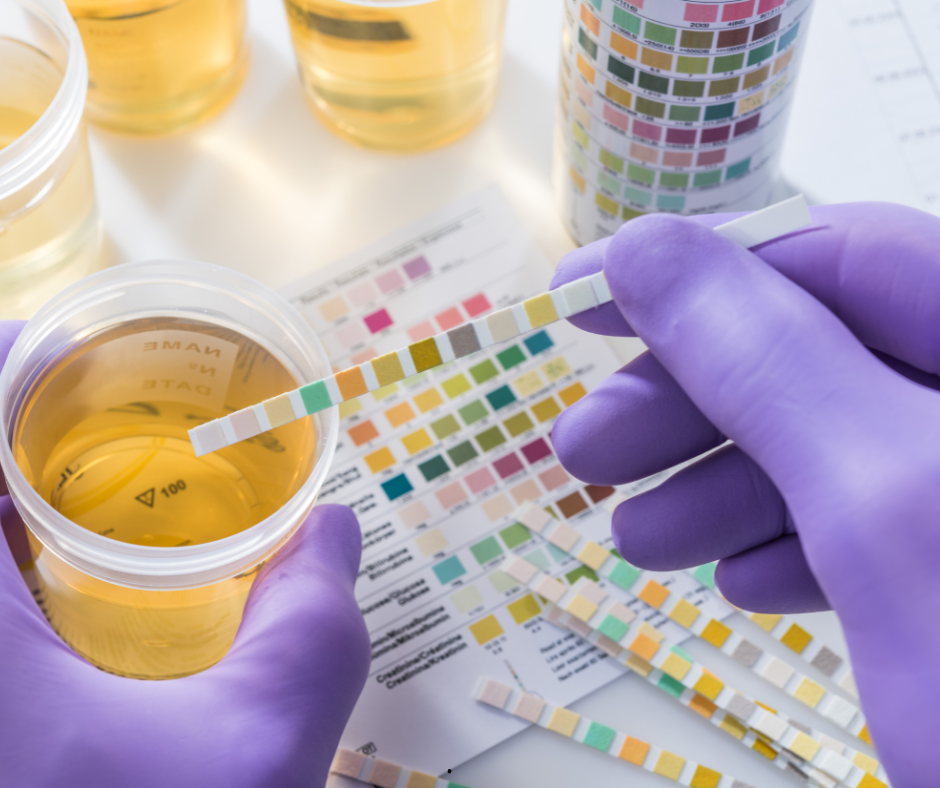
Of course, there are many other heavy metals that can cause harm. These are just a few. We recommend doing the Mosaic TOXDetect urine test, or the Diagnostechs TME Toxic Minerals and Elements test, to investigate your risk of heavy metal exposure.
Chronic Stress
Psychological stress is recognized as a contributor to oxidative stress through the neuro-endocrine and inflammatory systems. During stress, the hypothalamic-pituitary-adrenal (HPA) axis stimulates the release of cortisol, while the sympathetic nervous system increases adrenaline and noradrenaline. These responses are beneficial and necessary in the short term, but harmful if the stressful period goes on for too long.
Chronic activation of stress pathways causes increased ROS production, mitochondrial dysfunction, immune dysregulation, endothelial injury, and accelerated aging. This is why long-term emotional stress is linked to cardiovascular disease, metabolic syndrome, depression, cognitive decline, and impaired immune function. Studies have found that caregivers, people with occupational burnout, social adversity, or persistent anxiety have higher oxidative stress biomarkers than their less-stressed peers.
Lifestyle changes such as: regular physical activity, changing jobs, getting better sleep, mindfulness practices, more social support, and treatment of mental health conditions are helpful strategies in getting well. And you know we have loads of adaptogenic herbs like Ashwagandha and Rhodiola on hand to help with your stress!

Antioxidants to Defend Against Oxidative Stress
Oxidative stress is not caused by deficiency of a single antioxidant. Rather, cellular protection depends on an integrated network involving glutathione, selenium-dependent enzymes, superoxide dismutase (SOD) systems, mitochondrial function, mineral status, and a diet rich in phytochemicals. Supporting this entire network generally has stronger benefits than focusing on any single antioxidant in isolation.
The heart, brain, and kidneys are major users of mitochondrial activity. Thus, they are innately sensitive to changes in oxidative stress. Could this be where your brain fog is coming from?
Vitamins A, C, and E
Antioxidants such as vitamins A, C, and E play important roles. Vitamin C helps regenerate other antioxidants and helps with cellular protection, while vitamin E protects cell membranes from oxidative damage. Vitamin A and its related carotenoids support antioxidant defenses and immune function – especially anti-viral uses. However, research suggests that routine high-dose antioxidant supplementation does not prevent chronic diseases in otherwise well-nourished people, and excessive doses can sometimes be harmful.

Glutathione
Glutathione is the top intracellular antioxidant produced naturally by the body. Some studies suggest that glutathione supplementation can increase blood glutathione levels, but different products have varying efficacy. Liposomal (like Researched Nutritionals Tri Fortify) or IV glutathione tends to be the most effective. You can support your own endogenous glutathione production through adequate protein intake and eating more cruciferous vegetables, like broccoli, cauliflower, kale, and Brussels sprouts.
Selenium
Selenium plays a central role in our antioxidant defense systems. It helps to neutralize reactive oxygen species (ROS) and protect cells from oxidative damage. These enzymes work by reducing harmful peroxides and maintaining cellular redox balance. Selenium supports immune function, thyroid hormone metabolism (especially in cases of autoimmunity), and DNA protection.
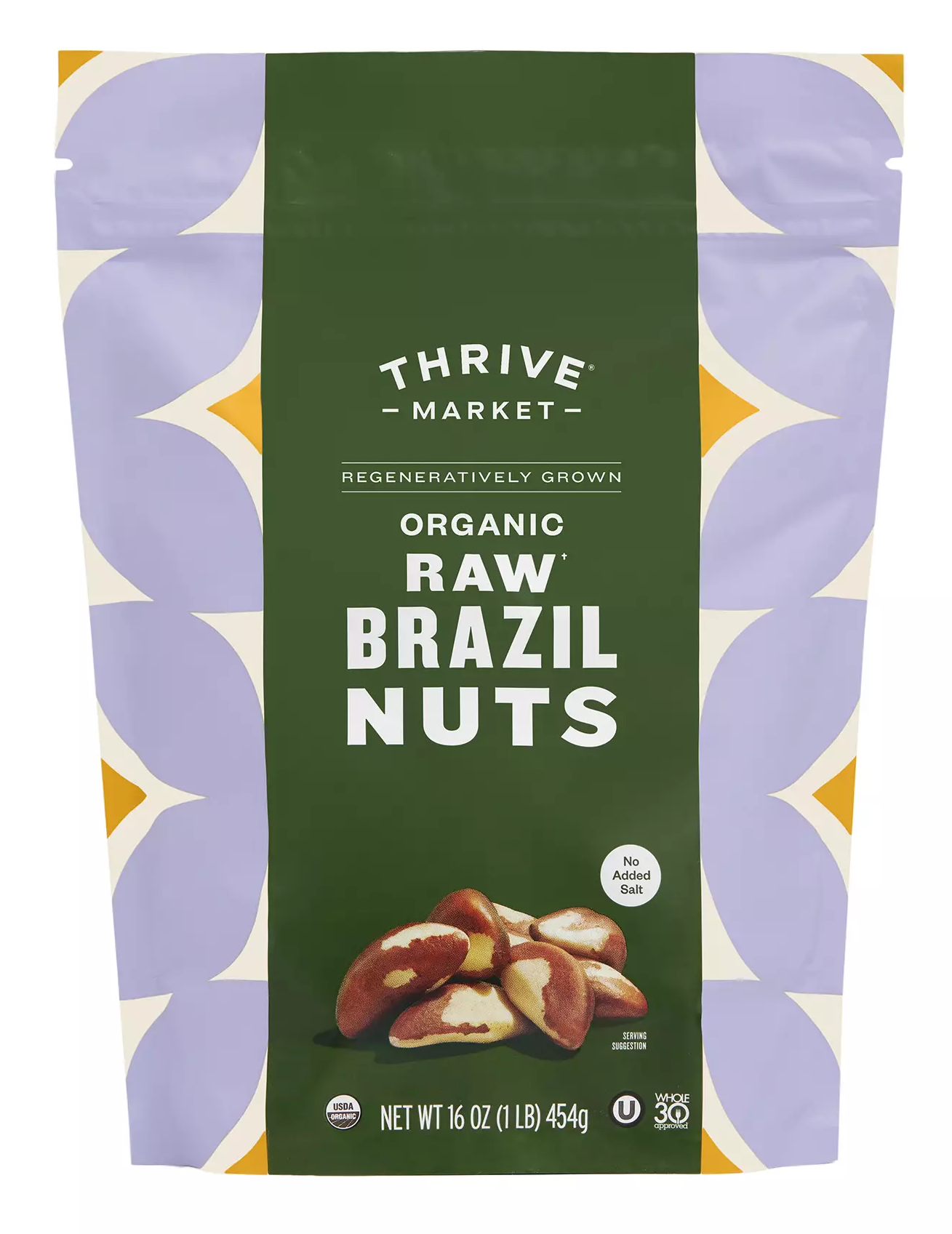
Both deficiency and excessive intake of Selenium can be problematic. That’s why we generally suggest meeting your needs through eating 3-4 Brazil nuts daily, plus seafood, meat, and eggs as the best approach.
Alpha-lipoic Acid
Alpha-lipoic acid (ALA) is a sulfur-containing compound that can act on many cellular processes. ALA can neutralize ROS and may help regenerate vitamins C, E and glutathione. ALA can improve inflammatory pathways, mitochondrial function, and cellular antioxidant capacity. ALA is heavily researched in diabetic neuropathy, where studies have shown benefits to chronic symptoms. It’s also being studied in cardiovascular disease, metabolic syndrome, neuro-degenerative disorders, and age-related oxidative stress. So many benefits from one little compound!
Resveratrol
Resveratrol is a polyphenolic compound found naturally in grapes, red wine (just a little), berries, and peanuts. It has antioxidant, anti-inflammatory, and longevity-related effects. Resveratrol can directly scavenge certain ROS, but much of its benefit is from activating cellular defense pathways. These include: antioxidant enzymes, mitochondrial function, and stress-response signaling (involving SIRT1, AMPK, and Nrf2). These are the key pathways of metabolic regulation.
Resveratrol has benefits when used with: cardiovascular disease, type 2 diabetes, obesity, neuro-degenerative disorders, and cancer. Animal studies have been impressive; however, human studies have been more variable, partly because it’s quickly metabolized and has relatively low bioavailability.
Taken together, selenium, alpha-lipoic acid, and resveratrol represent three distinct antioxidant strategies:
- Selenium supports endogenous antioxidant enzymes,
- Alpha-lipoic acid acts as both a direct antioxidant and a recycler of other antioxidants, and
- Resveratrol activates cellular stress-response and antioxidant pathways while exerting direct free-radical scavenging effects.
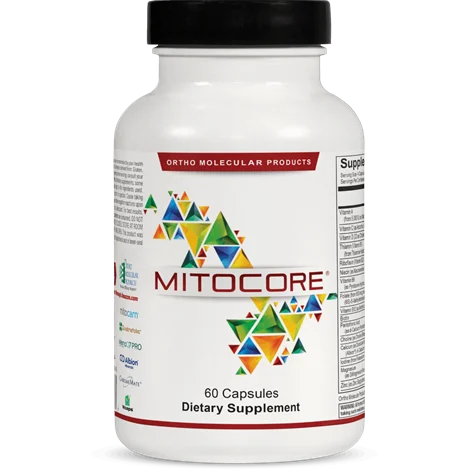
That’s why we often recommend Orthomolecular Mito-Core as a broad antioxidant multivitamin for our clients dealing with an obvious oxidative stress load. Available in office.
Herbs and Mushrooms with Antioxidant Benefits
As a guiding philosophy, we believe that Nature has given us everything we need to be truly healthy. It should come as no surprise that many herbs and medicinal mushrooms have antioxidant or ROS-modulating activity…
- Ginkgo biloba contains flavonoids and terpene lactones with antioxidant properties and has been studied extensively for cognitive, microcirculatory, and vascular effects. It is well-known for protecting healthy tissues from radiation effects – especially side effects affecting the brain, skin, gastrointestinal tract, and other healthy tissues surrounding a treatment area.
- Ganoderma lucidum (Reishi) and Shiitake (Lentinula edodes) mushrooms contain poly-saccharides, beta glucans, and other bioactive compounds that can improve oxidative stress pathways and immune function. Specifically, these compounds can help enhance natural killer (NK) cell activity, macrophage function, and T-cell responses that play a role in cancer surveillance.
- Andrographis paniculata contains andrographolide, which has shown antioxidant and anti-inflammatory effects in experimental models. It helps modulate cell proliferation, apoptosis (programmed cell death), angiogenesis, and immune regulation. Laboratory studies have reported activity against a variety of cancer cell types, including breast, colorectal, lung, prostate, liver, and blood cancers. Researchers have observed effects on signaling pathways such as NF-κB, STAT3, and PI3K/Akt, that are often dysregulated in tumors.
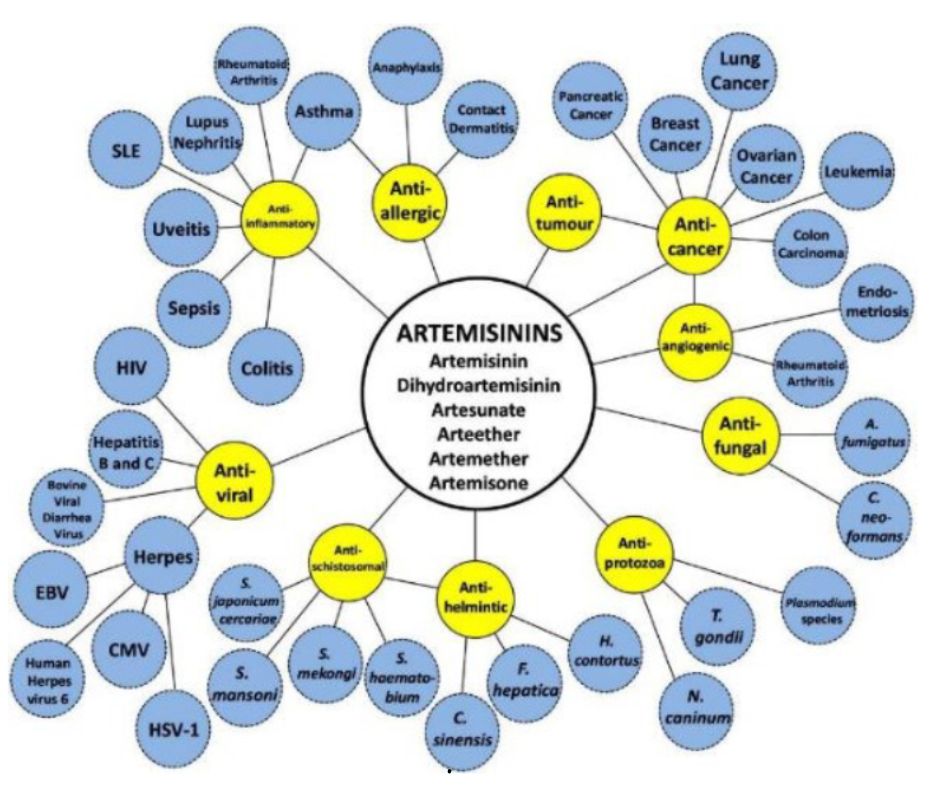
- Artemisinin, derived from Artemisia annua, is best known as an antimalarial drug. But it’s so much more than that! Artemisinin compounds have a range of biological activities, modulating: oxidative stress, inflammation, iron metabolism, angiogenesis, cell signaling pathways, defending against parasites, and immune responses. It has so many benefits, I’d say you can use it for just about anything!
Wrapping It Up
A practical risk-reduction strategy is to follow a healthy lifestyle, and control the things that are within your control. Do not stress or become neurotic about every little thing that might be bad for you; but rather, take an inventory of your home and health, and make changes wherever you see necessary.
Knowing that you can change your habits, eat healthier, supplement with confidence, and perform testing to guide you should all be a comfort to your peace of mind. Not a worry!
We are here to support you with guidance for whatever healing support your body may need. Call us or email for an appointment, anytime!