
By Claire Bacon, ACN, CNC
Our digestive tract is home to a thriving community of approximately 38 trillion bacteria. That’s a bigger number than we can even wrap our mind around, but suffice to say that our actual human cells are only about 35 trillion. (Wow!) Our gut bacteria have a remarkable influence on our health, through the Gut-Brain axis, Gut-Lung axis, Gut-Skin axis, the Oral-Gut axis, and more.
Gut bacteria are involved in our cognitive health, our mood, immune system, and our quality of sleep. They are a large determining factor of whether we are thin or fat, happy or sad, healthy or inflamed with autoimmune diseases.
With all this, we firmly believe that Hippocrates was right when he said, “all disease begins in the gut.”
Chronic Disease and Gut Bacteria
Within the last 15 years, research has vastly increased, looking at the role of gut microbes and human health. It appears that the microbial community functions more like an organ rather than just a haphazard collection of bacteria. And this community is different – comprised of different species – according to the location in the body. The lung microbiome is different than the sinus microbiome, is different than the vaginal microbiome, is different than the gut bacteria that digest your food.
Numerous chronic diseases have been linked to an imbalance in gut bacteria. These include:
- asthma,
- allergies,
- metabolic syndrome,
- diabetes,
- irritable bowel syndrome (IBS),
- obesity,
- autoimmunity,
- chronic pain,
- parasitic infections,
- cardiovascular disease, and
- colorectal cancer.
This is why you may come in looking for relief from your osteoporosis and joint pain, but we work on your gut. Or why you may have trouble sleeping, and we offer you a special probiotic. Or you have sugar cravings, energy dips, and a white coating on your tongue, and we start telling you all about eliminating overgrowth in the gut.
These may seem like unrelated symptoms and conditions, but soon enough, you’ll be catching on to the connection!
Keeping Your Gut Bacteria Happy
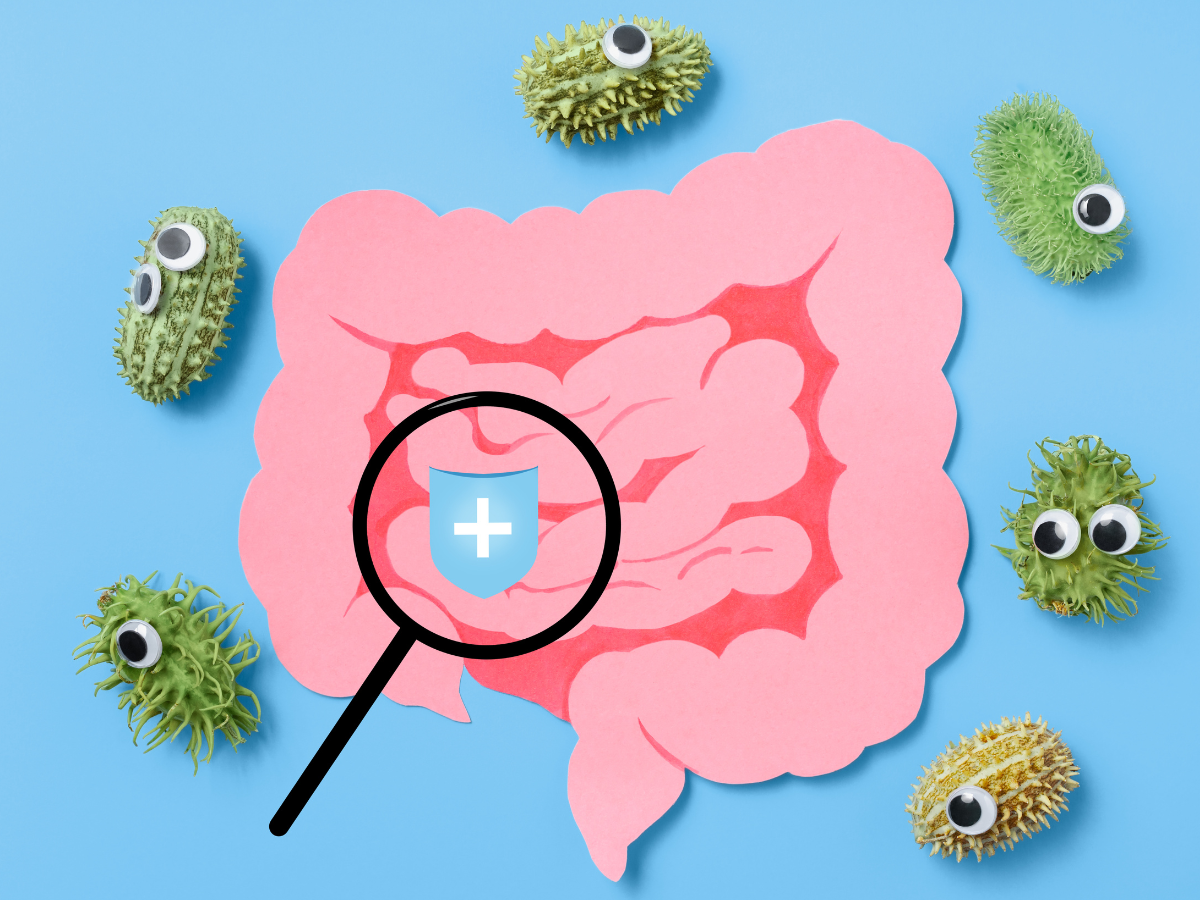
Our gut needs bacteria in the same way we need food to survive. Although the interactions between gut bacteria are complex, there is one thing we know for sure: they require ample amounts of fiber.
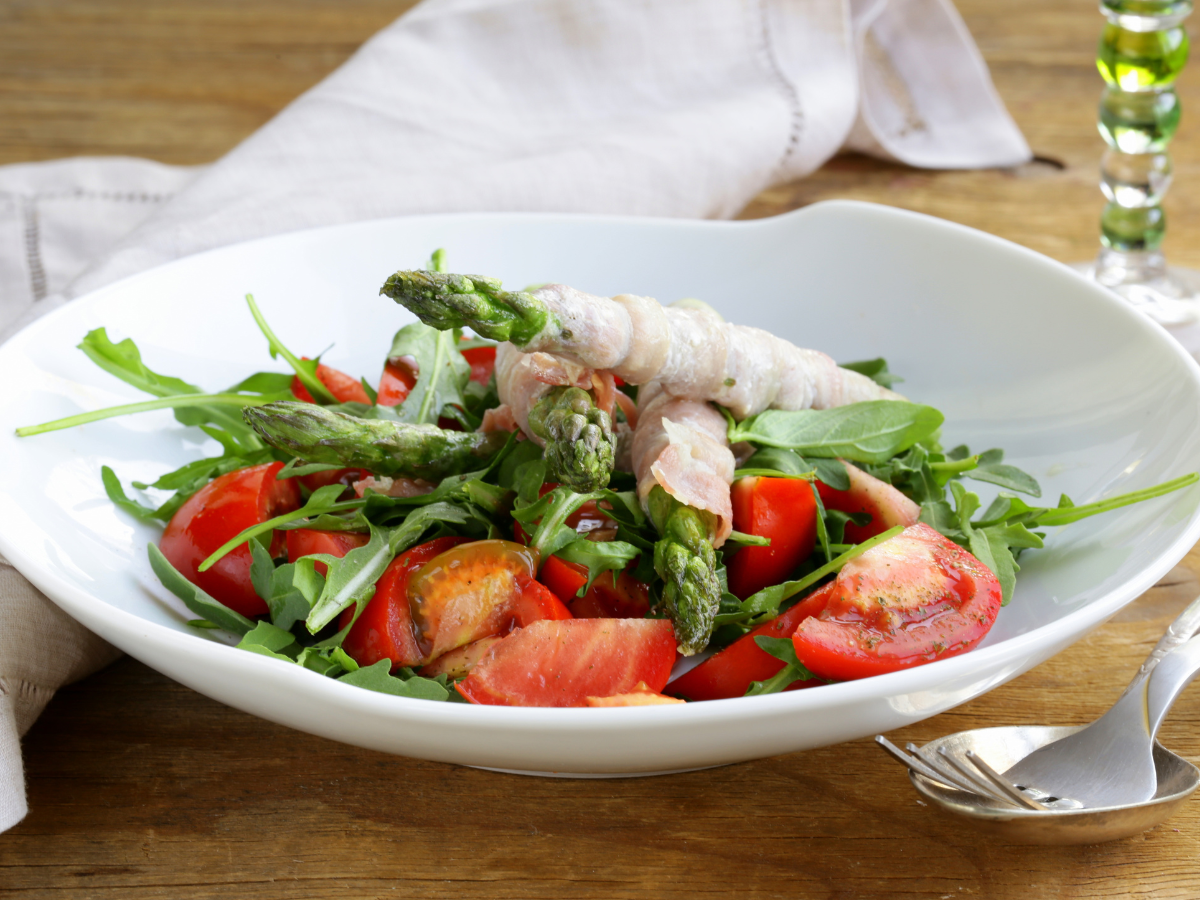
Good fiber is found in fresh fruits and vegetables, salads, oats and other unrefined grains, plus nuts and seeds. No need to get too technical about it. Regardless of whether the fiber is soluble, insoluble, or fermentable, our tiny microbial friends require about 25 grams (for women) and 40 grams (for men) of fiber daily to keep them well fed.
That’s actually kind of a lot of fiber. Most Americans are only getting in about 15-16 grams of fiber daily. That’s largely because we eat so much bread, pasta, and refined grains. I want you to think about eating a wide variety of plants, like:
- Lentils, beans, peas, and chickpeas
- Prunes, apples, and pears
- Oats, quinoa, couscous, and barley (if not gluten-sensitive)
- Onions, garlic, leeks
- Asparagus, and artichokes.
Please note that more fiber isn’t automatically better for everyone. Someone with significant bloating, SIBO-like symptoms, impaired motility, or certain GI conditions can actually feel worse when fiber is increased too rapidly. The type of fiber and the person’s underlying GI physiology matter.
Fiber and Proper Elimination for a Healthy Gut
Have you heard of the book, “Everyone Poops”? Or have you read my blog, “In Search of the Perfect Poop“?
Elimination is a natural part of our physiology, even if we don’t like to talk about it. Getting rid of our waste should be a daily, comfortable, effortless, and clean experience. We shouldn’t require reading material or need 3 feet of toilet paper to finish the job. The entire process should be as effortless as the elimination.
But for many, maintaining regular bowel habits is a challenge. If you absolutely need your coffee in the morning, magnesium at night, or some form of laxative, you might have an imbalance in your gut bacteria.
Aside from sufficient water, then next most important thing you might be missing is your fiber. This is so easy to neglect, if you’ve been too busy to cook and find yourself grabbing a to-go order or just eating a processed snack.
Bottom line, fiber gives you many benefits:
- Increases stool bulk: Insoluble fiber adds physical bulk to stool, helping stimulate intestinal movement and making stool easier to pass.
- Holds water: Soluble fiber absorbs water and forms a gel, helping produce a softer, more cohesive stool.
- Feeds beneficial gut bacteria: Fermentable fiber is metabolized by gut microbes into short-chain fatty acids (SCFAs), which support the colonic environment and can influence intestinal motility.
- Supports transit: Adequate fiber helps maintain appropriate movement of stool through the colon, reducing the likelihood of constipation.
- Promotes more complete elimination: Adequate bulk, moisture, and motility help move stool through the colon rather than allowing it to become progressively harder and more difficult to evacuate.
How to Maintain Your Gut Bacteria
We are all probably well below the ideal amount of fiber. But before you jump right in, I want to give you fair warning:
Adding in too much fiber too quickly can cause bloating, gas, and even constipation. Especially if you already have been diagnosed with a condition, or seem kind of sensitive, you want to be cautious.
It’s better to start slowly and increase little by little, after you see how your body responds to the increased fiber amount.
Our recommendation is to try and obtain your daily fiber intake from real food as compared to taking it in supplement form. That means “fresh fiber” from the produce section. There is a time and place for supplemental fiber, as in during a cleanse, but it’s better to incorporate fiber-rich foods as part of your regular diet.
Here’s an example for you:
Breakfast: 1/2 cup oatmeal with 1/2 cup raspberries
Lunch: Mixed greens salad with 1/2 cup chickpeas and half an avocado with your protein
Snack: Apple with skin on and 2 tbsp nut butter
Dinner: 1 cup broccoli with 1/2 cup brown rice with your protein
Those are just a few easy choices. You could add berries or ground flax seed to any meal. You could put a scoop of Whole Food Fiber in your smoothie. You could have a fresh salad before any meal.

There are a million ways to eat more fiber!
And of course, a few supplements, too:
Saccharomyces boulardii or Lactic Acid Yeast – both include a beneficial yeast that scavenges Candida and cuts down on other harmful species.
Prosynbiotic – a very gentle blend of four strains that are helpful to the gut environment.
Ortho Biotic – a more comprehensive blend of beneficial strains that rebalance and protect a depleted gut environment. Available in office.
Zenbiome Cope and Zenbiome Sleep contain two spore-based probiotic strains that replenish your natural ability to produce calming neurotransmitters. Available in office.
Gut-Brain Reset is a combination of these two individual strains. Available in office.
Note that we will soon have a Microbiome Labs Virtual Dispensary on our website!
Bottom Line
Keeping your intestinal bacteria well-fed and happy requires that you make good dietary choices on a regular basis. No more fast food. No more binge drinking. You’re old enough now to treat your body well.
And if you feel like you’re already doing “all the things” and still having trouble, maybe it’s time to get more objective about what’s going on.
In our office, we offer the Biome FX stool test, which shows not only your microbiome, but all the good (and bad) things it is producing for you. Based on the results, we can determine what strategies you need the most. More or less probiotic strains? A parasite cleanse? Leaky gut healing?
And we can also look into food sensitivity testing. There really are a lot of good things we can figure out.
Although we don’t necessarily want to spend a lot on comprehensive testing, the information you receive can be truly valuable. It really can be a light in the dark along your wellness journey. Send a question to Claire if you’d like to get the ball rolling on your testing.
Having regular elimination and the assurance that your gut microbes are receiving the nutrients they need to keep you healthy is a wonderful feeling!