

By Claire Bacon, ACN, CNC
One of the most important lessons I’ve learned in clinical practice and in my own health journey is that pain is deceptive. The place where you feel pain is often not the place where the problem begins. That’s because pain is a liar! This idea is supported by research on “viscero-somatic convergence”. This concept describes how signals from internal organs and musculoskeletal tissues can overlap in the nervous system.
Because the brain is ultimately responsible for interpreting pain signals, symptoms may appear far away from their true source. The brain may be tricked into attributing that pain to a certain area where a problem doesn’t exist. In other words, pain tells us that something deserves attention, but it does not always tell us exactly where to look.

When to Look Deeper
In our chiropractic office, we explain that when a problem is purely musculoskeletal, restoring joint motion through the adjustment should bring rapid relief. Usually, this is accurate. But when pain persists chronically, despite normal range of motion and appropriate treatment, it’s worth asking deeper questions.
Sometimes chronic pain patterns are maintained by stress and unresolved emotions. Or sometimes it could be deeper inflammation, maybe from infection or hormonal imbalances. There could be dysfunction occurring somewhere else you haven’t even thought could be connected.
Remember, pain is a liar! Pain processing occurs in the brain, and under chronic stress the nervous system can become sensitized, causing symptoms to continue even after the tissues have healed.
My Personal Journey
I have seen this principle play out in my own life. In my thirties, the menstrual pain that I once assumed originated in my uterus was temporarily eased through soft tissue work in my back (influencing the nervous system). Over time, this improved as I supported my liver detoxification and lymphatic system. And it completely went away with better hormone optimization. There was nothing wrong with my actual uterus, although the doctor had explained that it was “tipped”, and that was just my unlucky break. Wrong!!
Then in 2010, I struggled for months with plantar fasciitis. It eventually resolved after working deep fascial release into my calves and peroneal muscles (aka fibularis). The sole and heel pain had nothing to do with the bottom of my foot. No wonder that rolling on ice did nothing. Pain is a liar!
Just a few years ago, my chronic left calf cramp and Achilles tendinitis improved when I addressed my overall stress and received acupuncture treatments. It was strange how I could feel that cramp starting to twitch in moments of stress. That’s because the adrenals have a strong neurological connection to the calves.
Even more recently, I also experienced weakness and poor neurological control in my legs that responded to decompression followed by an acupuncture pattern focused primarily on my low back – where the adrenals are! These experiences taught me that the body often works through interconnected pathways rather than isolated parts.
Always remember – pain is a liar!

Evidence in Nutrition Consulting for Pain
I have also seen many clients whose pain behind the right shoulder blade improved when attention was directed towards liver and gallbladder support. Likewise, we know that a headache is not always “just a headache” (i.e. not in the head). In some people, low progesterone, chronic inflammation, poor sleep, stress, or even underlying infections may contribute to pain in the head.
The body communicates through networks such as the gut-brain axis. This means that inflammation or food sensitivities affecting the digestive system can sometimes influence mood, cognition, vision, and even brain energy levels.
Don’t think that your “normal” pain is an ibuprofen or acetaminophen deficiency. Pain is a liar!
Another fascinating aspect of pain is that our emotional stress can manifest physically. Chronic hip pain, for example, may not be explained entirely by posture or sitting habits. Pain is processed through the nervous system, and stress, anxiety, or emotional burdens can influence muscle tension and pain perception. You can imagine that when you feel totally unsupported in life, with an unstable future, the foundation of your body may harbor the negative emotions and poor neurological patterns. Think of Shakira – the hips don’t lie!
Sometimes the body becomes stuck in these patterns, creating symptoms that are very real even when no structural damage is present. Addressing the nervous system and emotional health can be just as important as addressing muscles and joints.

The Nervous System: Communication Highway for Pain and Function
The nervous system itself has overlapping communication pathways, which is why symptoms can appear in unexpected places. Certain spinal segments and nerve roots influence not only muscles and skin, but also the autonomic nervous system that helps regulate organ function.
For example, dysfunction in the mid-thoracic region (middle of your back) may cause pain involving the chest, neck, or upper abdomen. Meanwhile, irritation around the lower thoracic spine may be associated with digestive complaints and abdominal discomfort. While these relationships are complex and not necessarily direct cause-and-effect, they remind us that the body functions as an integrated whole, not separate systems working independently.
Modern science is starting to recognize these connections. Referred pain, the gut-brain axis, central pain sensitization, and neuro-immune communication all demonstrate that symptoms are the result of multiple overlapping influences. The answer is rarely found by looking only at the site of pain. Instead, it may involve examining:
- movement,
- emotional stress,
- hormones (insulin high, sex hormones low),
- inflammation,
- sleep (or lack of),
- poor nutrition or digestion, and
- nervous system regulation.
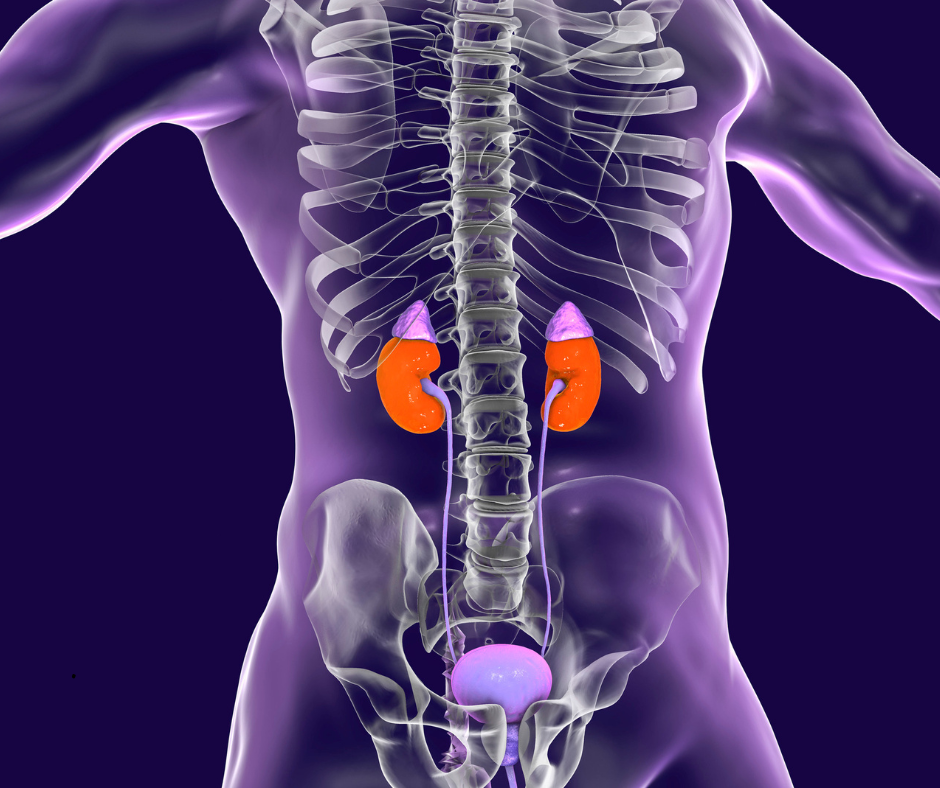
That’s what we’re here for! To put all these pieces together for you. And to remind you that pain is a liar!
Pain is not lying because it is imaginary. Pain is a liar because it can be misleading. It speaks loudly, but not always accurately. The symptom you feel may simply be the messenger.
True healing often begins when we stop chasing the pain itself and start asking a better question: “What is my body trying to tell me?”
Spinal Decompression
Sometimes, there truly is a musculoskeletal reason you are hurting. A disc issue can be a primary reason! It can be sneaky because discs don’t get better with a chiropractic adjustment, and they don’t show up on x-rays. You have to get a MRI to figure this out.
But even then, it’s not that simple! Go figure. Sometimes, you can see a dehydrated or herniated disc… work on that… and your pain gets better. Other times, you keep treating the disc in question… and nothing happens.
Why? Because imaging is not the whole story. Many people are running around, living a great life with no pain, yet they have dehydrated and herniated discs. Other people are living with terrible pain, and no evidence of damaged discs show up on their MRIs. That’s just the way it is sometimes. It can be a mystery.

Case in point: I have been dealing with a hip injury. My MRI showed bulges on my L2-L3 and L4-L5. My L3-L4 in between those two looked normal. So of course, I’ve been doing decompression on the two bulges and got some improvement. But I’ve been frustrated that my progress has plateaued. Two weeks ago, I tried pulling the “normal” L3-L4. And I felt even better! I had much more improvement by treating the disc in between the two problem areas, even though it didn’t look like an issue on the imaging. So, it’s good to remain open minded and realize that scans sometimes don’t tell the whole story.
Update: I got another great improvement just this week. Adding to my long list of therapy and recovery tools, I finally saw a pelvic floor therapist, who was able to do internal work on the same muscle that wasn’t getting fully released through everything else I was doing. One more step better! This was a fantastic boost to my hope that I’ll be back to training and racing soon.
When Musculoskeletal Treatment Isn’t Enough…
So, what else can we do? When pain is misleading, the goal is not simply to silence the symptom. We want to understand the factors that keep the nervous system in a state of distress. Because pain is influenced by tissues, nerves, hormones, emotions, metabolism, sleep, and stress, recovery often requires a whole-person approach.
There is no single solution that works for everyone, but combining neurological, nutritional, emotional, and energetic strategies can help create an environment in which the body is better able to heal. You may need to consider Neuro-Emotional Technique, a change to your supplements, Reiki, or Reflexology in order to get over your current obstacle.

Neurological Calming for Pain
From a neurological perspective, calming and retraining the nervous system is essential. Chronic pain can persist because the brain and spinal cord become sensitized, causing the body to remain in a protective state long after tissues have recovered.
Chiropractic adjustments, physical therapy, dry needling, acupuncture, and massage can help restore sensory input and communication between the brain and body. In addition, myofascial release, gentle movement, box breathing exercises, and yoga help to release tension in the nervous system.
Quality sleep, stress reduction, and regular movement in nature are also important because the nervous system repairs and recalibrates itself most effectively when it feels safe and supported.
How can you increase your feelings of being safe and supported?
In some cases, techniques aimed at reducing central sensitization, such as biofeedback, mindfulness, and gratitude journaling can help break the chronic pain cycle. From the pharmaceutical world, low-dose Naltrexone is a very safe and effective medication for turning down autoimmunity and chronic inflammation that can get stuck in the body. A better choice than NSAIDs!
Nutritional Support for Pain
Nutritionally, the body needs certain raw materials (healthy fats and amino acids) to regulate inflammation, repair tissues, and maintain proper nerve function. An anti-inflammatory diet that emphasizes the following things is most helpful:
- whole foods,
- adequate protein,
- colorful fruits and vegetables,
- omega-3 fats,
- sufficient hydration,
- and key supplements like Turmeric and proteolytic enzymes.
Some people find that inflammatory foods or digestive insufficiencies contribute to their pain symptoms. If you’re having too much sugar, or can’t digest your food coming in, that can definitely influence your pain perception! Supporting your natural digestion and detoxification systems through fiber intake, hydration, regular bowels, sweating, and avoiding toxic exposures can promote your overall health and resilience.

Top Vitamins for Pain
- Premier Research Curcumin-FX – provides a potent dose of curcumin, an extract from turmeric. It’s one of our best for any kind of systemic inflammation.
- Biotics Biomega-SPM – when you’re in pain, you need a concentrated source of Omega 3 fatty acids, especially if you’re taking something like Turmeric or Boswellia. Biomega-SPM has the highest concentration of specialized pro-resolving mediators of any other fish oil we have on our shelf.
- Food Research Inflam-Enzymes – combines proteolytic enzymes with nutritional factors for ligament and tendon repair. Use code drbobbacon to enter the store.
- Mediherb Saligesic – is a natural alternative to aspirin. Derived from White Willow Bark, it’s the closest thing Nature gives us to a natural pain modulator.
Emotional Work for Pain
Emotional health plays a powerful role because pain is processed by the brain, and the brain responds to both physical and emotional stress. Unresolved grief, chronic anxiety, perfectionism, feelings of being overwhelmed, or prolonged emotional strain all can amplify muscle tension and increase sensitivity to pain.
This does not mean the pain is imaginary. Rather, emotional stress can become part of the pain experience. Practices such as journaling, cognitive behavioral therapy, meditation, prayer, and gratitude exercises, can help regulate the stress response and shift the body out of a chronic state of fight-or-flight. Many people find that healing accelerates when they address both their physical symptoms and the emotional burdens they have been carrying.
Neuro-Emotional Technique (NET)
Getting a little more specific on your emotions… NET is a powerful tool your Chiropractor or Naturopath can use to help your subconscious resolve negative emotions. Stress, grief, or betrayal can become embedded in pain patterns and keep the nervous system stuck in a protective state. This is very similar to the concepts described by Bessel van der Kolk in his book, “The Body Keeps the Score”.
NET is a mind-body approach that combines principles from chiropractic, acupuncture, and stress physiology to identify and release unresolved stressors that may be contributing to physical symptoms. By helping the brain and body process these patterns, the nervous system shifts out of survival mode and allows healing to proceed naturally.

Energy Work for Pain
Traditional healing modalities emphasize restoring energetic balance to the body’s regulatory systems. Acupuncture, Tai chi, Qigong, yoga, and breathwork can improve stress physiology, circulation, pain perception, and overall well-being by working on the body’s energy meridians.
Millions of people over thousands of years have experienced meaningful improvements in pain and function through using these approaches. The common thread is that they shift the body from survival mode to a relaxed state, more favorable for repair and recovery.
Overcoming Your Pain
Ultimately, overcoming a chronic, misleading pain requires curiosity rather than fear. Symptoms are not always a sign of damage, nor are they always isolated to the place where they are felt. We must keep an open mind, and consider less obvious contributors to what might be going on.
When we address our nervous system regulation, nutrition, emotional health, and restorative practices, we can uncover and resolve the hidden contributors that keep pain patterns alive. The body is remarkably interconnected!
Sometimes healing begins not by attacking the pain itself, but by creating the conditions that allow the whole person to recover.
Remember to reach out for an appointment so we can help you get out of a chronic pain cycle!