


By Hailey Wilson
Fast food is everywhere—and it’s impacting millions of Americans every single day. It is hard when you may be in college, and your campus is surrounded with fast-food or the dining hall does not offer nutrient dense foods. While most people recognize its physical effects, fewer understand how deeply it also influences the brain.
The cravings for fast food can mirror patterns seen in addictive behaviors. The same reward pathways in the brain are activated—dopamine spikes, followed by crashes that drive you to seek more. The substance may be different, and the social consequences less severe, but the physiological impact is very real.
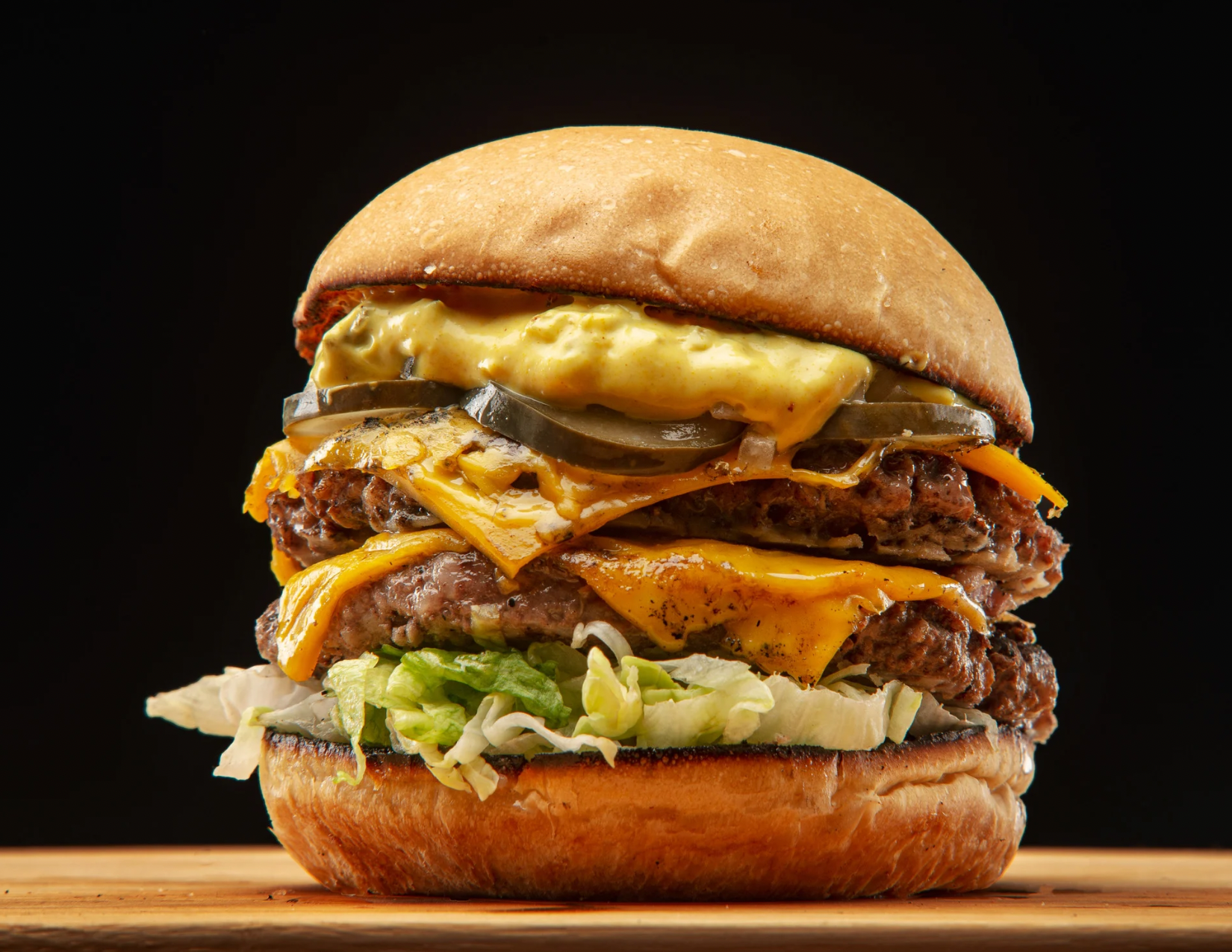
Over time, a steady diet of fast food can contribute to:
- Chronic disease
- Obesity
- Type 2 diabetes
- Hypertension
- Heart attack and stroke risk
But it doesn’t stop there…
The Hidden Cost: Nutrient Depletion
Fast food isn’t just high in calories—it’s often low in essential nutrients. Regular consumption can lead to vitamin and mineral deficiencies. These deficiencies may show up as:
- Fatigue
- Anemia
- Weakened bones
- Cognitive decline
- Irritability
- Hormonal imbalances
We ask, “What is the body missing?”
Because the truth is—your body isn’t just craving food, it’s craving nutrients.
And the good news? These effects can often be prevented—and even reversed—by intentionally fueling the body with whole, nutrient-dense foods. Lets go back to the basics of nutrition!!
Back to the Basics: Building a Plate
You don’t need perfection—you need balance. A simple approach is to build meals around four key components:
1. Protein
Protein stabilizes blood sugar, supports muscle function, and keeps you full longer.
Tip: When eating out, choose grilled over fried whenever possible.
2. Healthy Fats
Fats are essential for hormone production, brain health, and satiety.
Watch out: Many fast foods are already loaded with fats.
Better options: Avocado, nuts, seeds, olive oil.
3. Fiber
Fiber supports gut health, detoxification, and blood sugar control.
Your gut thrives on diversity.
Choose whole grains, vegetables, and legumes whenever possible.
4. Carbohydrates
Carbs are your body’s primary energy source—but quality matters.
Focus on whole-food carbohydrates like fruits and vegetables rather than refined options (ex. buns and tortillas).
Making Better Choices When Eating Out
Let’s be realistic—people are busy. You won’t always be cooking at home, and that’s okay. The goal isn’t elimination—it’s optimization.

Practical Tips to Reduce the Impact of Fast Food
- Go light on dressings (these are often hidden sources of sugar and oils)
- Skip heavy condiments or prep your own healthier versions at home
- Choose grilled options over fried
- Swap buns for lettuce wraps, or simply eat half
- Add extra vegetables whenever available to increase nutrient density and satiety
Supporting the Body
At times, the body may need additional support—especially when recovering from long-term dietary habits. Supplementation can help restore balance and improve how your body processes food, manages blood sugar, and regulates cravings.
Some supportive options include:
- Digestive support formulas to aid in breaking down proteins and optimizing stomach acid levels
- Blood sugar support nutrients to improve insulin sensitivity and reduce energy crashes
- Whole-food B vitamin complexes to support metabolism and replenish nutrients depleted by refined carbohydrates
- Herbal compounds that help regulate cravings and support pancreatic function
- Amino acids that assist with neurotransmitter balance and reduce late-day cravings
Supplementation isn’t about replacing food—it’s about supporting the systems that allow your body to use food effectively. Fast food isn’t just a convenience—it’s a cycle. One that affects your metabolism, your brain, and your long-term health.
But you’re not stuck in it.
When you begin to:
- Understand your cravings
- Replenish missing nutrients
- Build balanced meals
- Make intentional choices (even when eating out)
…you shift from reacting to your health to taking control of it.
Because food isn’t just fuel—it’s information for your body. And when you give your body the right information, it responds. You feel better and function better.
Closing Thoughts
We know making dietary decisions can be tough and confusing! That’s what we’re here for. Remember you can always give us a call and we’ll coach you through the dietary recommendations that are best for you!